June 2, 2026
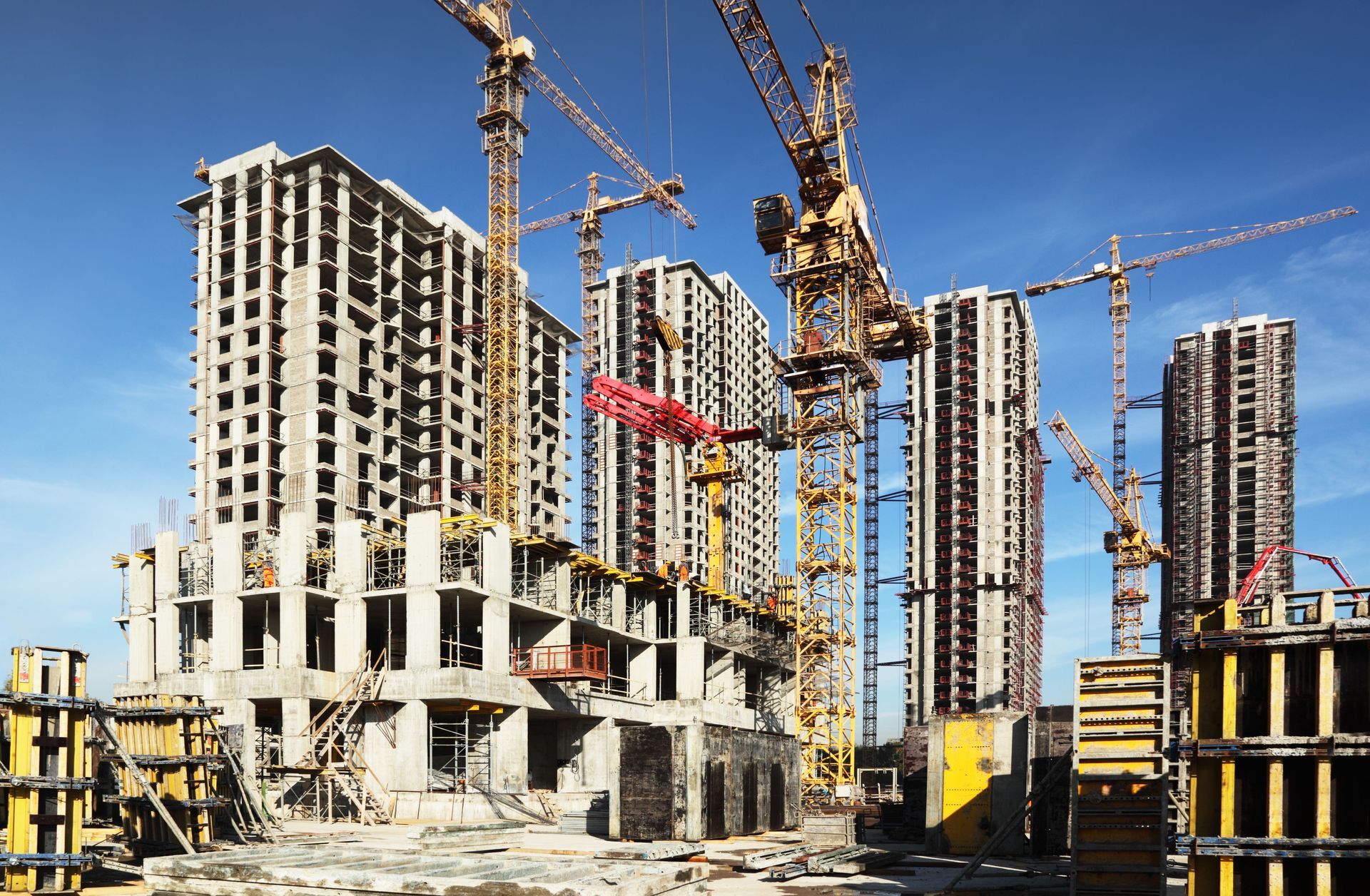
The global push for sustainability has fundamentally altered how a modern commercial construction company operates. No longer is the success of a project measured solely by the height of the steel or the polish of the glass; today, success is equally defined by how much of the project's footprint is diverted from a landfill. Managing and repurposing construction debris has shifted from a peripheral logistical concern to a core operational responsibility.
As urban centers expand, the environmental and economic stakes of waste management continue to rise. This discussion examines the intricate recycling practices of the industry, the types of debris generated, and how professionals navigate these responsibilities to meet both environmental standards and client expectations.
Understanding Construction Debris and Waste Sources
Construction debris consists of a diverse array of materials discarded during the building, renovation, and demolition of structures. These are not merely waste but are increasingly viewed as secondary resources with varying degrees of recycling potential. Common materials include concrete, metals, wood, bricks, glass, and plastics.
Beyond these primary materials, projects also generate significant volumes of asphalt, drywall, and insulation. Asphalt is frequently reclaimed for road surfacing, while scrap metal is melted down for manufacturing. Drywall, often overlooked, can be ground into soil amendments. Categorizing these materials accurately is the first step in ensuring that recovery rates remain high and environmental impacts are minimized.
Pinpointing Sources of Waste
Waste is generated across all phases of a project, from the initial procurement to the final demolition. The most substantial volumes typically arise during renovation and demolition, where existing structures are dismantled. However, waste also occurs during new builds due to over-ordering or inefficient material usage on-site. Identifying these sources allows a commercial construction company to implement targeted reduction strategies, such as selective demolition, where valuable materials are harvested before a structure is fully brought down.
Assessing Environmental and Economic Impacts
The environmental cost of unmanaged debris is severe. When materials are relegated to landfills, they occupy limited space and can introduce toxins into the soil and groundwater. The extraction of virgin materials is also a resource-intensive process that depletes natural ecosystems. By recycling, the industry preserves these habitats and reduces the energy consumption associated with new material production.
The economic implications are equally significant. Recycling allows companies to offset raw material costs and avoid rising landfill disposal fees. According to Research and Markets, the commercial construction market in the U.S. is expected to grow by USD 76.1 billion during 2025-2030, accelerating at a CAGR of 3.1%. This expansion underscores the necessity of efficient waste management to sustain industry growth while remaining profitable and compliant with local regulations.
Improving Recycling Methods in the Industry
Processing debris directly at the project location is a highly efficient way to manage waste. This approach eliminates the transportation emissions and costs associated with hauling debris to external facilities. A common on-site technique involves crushing concrete to be used as aggregate for the building's new foundation.
Modern mobile recycling units allow for the sorting and processing of wood and metal on location. This immediate material recovery keeps the workflow moving and ensures that resources are optimized where they are needed most. For many projects, on-site recycling is a cornerstone of sustainable building, ensuring that a high percentage of waste never actually leaves the property.
Leveraging Off-site Recycling Facilities
When on-site processing isn't feasible due to space or logistical constraints, off-site facilities provide the necessary infrastructure to handle large-scale debris. These specialized plants use advanced sorting technologies to separate metals, plastics, and glass with a level of precision that is difficult to achieve in the field.
Centralized recycling centers benefit from economies of scale, allowing them to process diverse waste streams into high-quality secondary materials. Strategic partnerships between a commercial construction company and these facilities ensure that debris is handled according to strict environmental standards, contributing to a regional circular economy.
Mastering Material Recovery
The recycling of specific materials requires unique handling. Metals, for instance, are nearly fully recyclable and hold high market value, making them a priority for recovery. Concrete and masonry can be transformed into base materials for roads or new foundation construction. Wood, if not contaminated, can be mulched or used for biomass fuel. Understanding the specific recyclability of each material allows for more effective project planning and higher overall diversion rates.
Advancing Sustainable Building Practices
The practice of recycling aligns the industry with global sustainability objectives, such as the United Nations Sustainable Development Goals. By reducing waste and increasing resource efficiency, construction firms help build inclusive and resilient cities. This commitment to responsible production reduces the overall carbon footprint of a project and protects biodiversity by decreasing the demand for new resource extraction. Integrating these green initiatives also fosters long-term structural resilience, as repurposed materials are often processed to meet rigorous modern durability standards.
A commercial construction company that champions these practices also helps establish a localized circular economy that reduces the environmental strain on the surrounding community.
Meeting Legal and Regulatory Requirements
In many jurisdictions, recycling construction debris is no longer a choice but a legal mandate. Environmental regulations often set strict quotas for waste diversion and material reuse. Staying compliant with these laws is essential for any commercial construction company to avoid financial penalties and project delays. Furthermore, meeting these standards often qualifies projects for green certifications, which can enhance the property's value and the firm's reputation.
Managing Design and Engineering for Waste Reduction
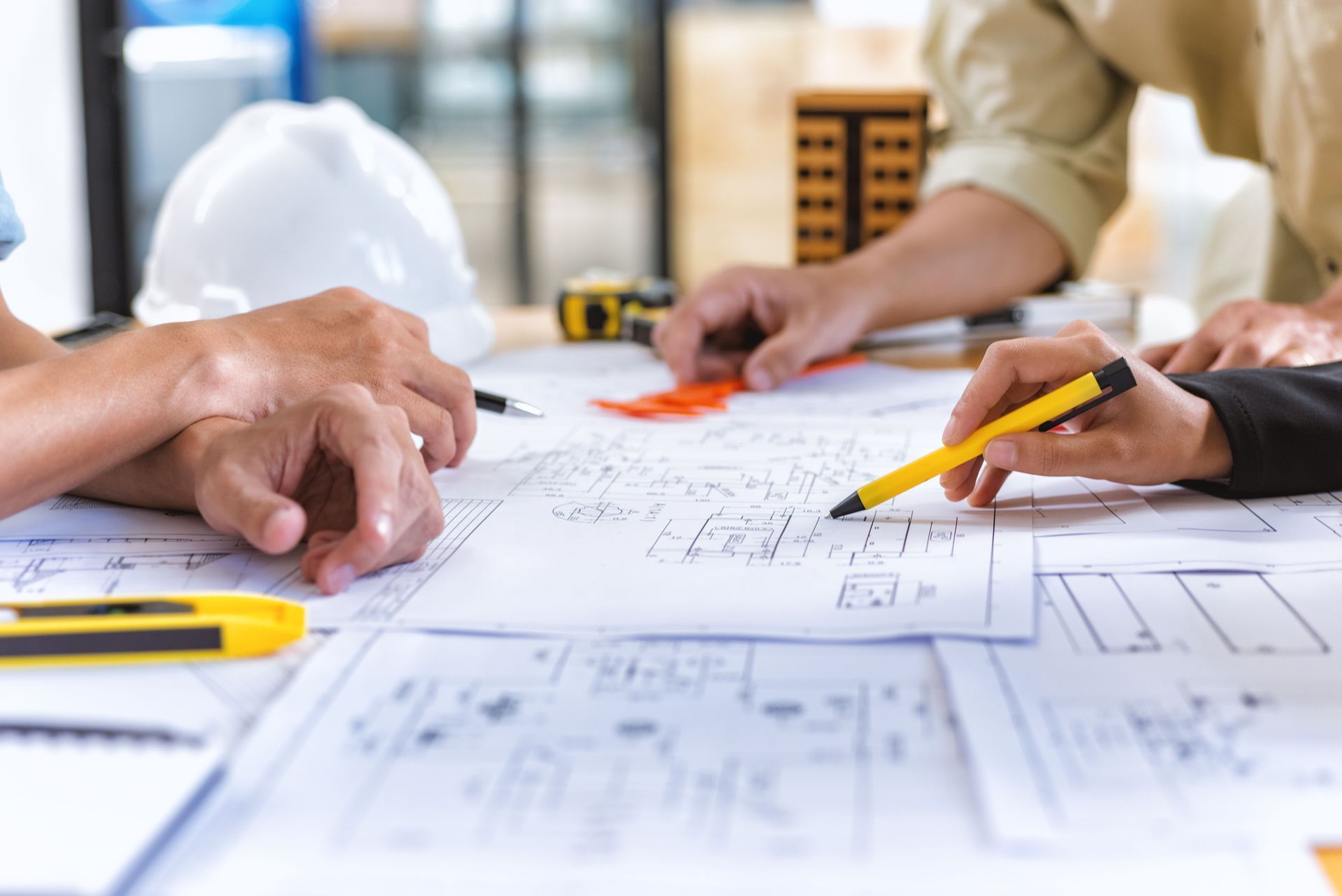
Sustainability begins long before the first shovel hits the ground. By prioritizing waste reduction during the design and engineering phase, firms can plan for material sizes that minimize off-cuts and select components that are easier to recycle at the end of the building's life. This forward-thinking approach ensures that the entire lifecycle of the building is as efficient as possible.
By utilizing advanced modeling software, a commercial construction company can predict waste streams with pinpoint accuracy, allowing for more precise procurement and less surplus. This initial investment in strategic planning also reduces the logistical burden of sorting debris during the build, effectively streamlining the construction timeline while supporting environmental goals. Integrating these considerations from day one transforms sustainability from a checklist item into a core structural advantage.
Ensuring Success With Professional General Contractors
The complexity of modern construction requires a partner who can manage not just the build, but the environmental legacy of the project. A high-quality construction company integrates waste management into the project's DNA, from ground-up construction to the final tenant improvements. This oversight ensures that the project remains on schedule, within budget, and in line with modern ecological standards.
Whether a project involves municipality construction, school construction, or complex structural construction, the ability to recycle and reuse materials is a hallmark of a professional firm. Utilizing a design-build construction model further enhances this efficiency, allowing for a single point of accountability for both the creative vision and the logistical reality of waste management.
Ed Green Construction is dedicated to providing high-quality building solutions that respect both the client's vision and the environment. Our team specializes in a wide range of services, including ground-up construction, tenant improvements, and specialized foundation construction. As a comprehensive commercial construction company, we handle every phase from design and engineering to the final build, ensuring that sustainable practices are prioritized at every turn. If you are looking for a partner for your next commercial construction, contact us today to see how our expertise can bring your vision to life.